
Introduction
The Alstom Optipow 135 valve is a high-performance pulse jet valve widely used in industrial dust collection systems. Designed for reliable operation in demanding environments, the Optipow 135 valve delivers powerful bursts of compressed air to clean filter bags and maintain the efficiency of baghouse dust collectors. Understanding how this valve works can help plant operators optimize dust collection performance, reduce maintenance costs, and extend filter life.
What Is an Alstom Optipow 135 Valve?
The Optipow 135 is a plunger type diaphragm-operated pulse jet valve developed for reverse pulse cleaning systems. It is commonly installed on dust collectors in industries such as:
- Cement production
- Power generation
- Steel manufacturing
- Chemical processing
- Mining operations
- Woodworking facilities
- Aluminum processing
The valve is designed to release a large volume of compressed air in a very short time, creating a powerful cleaning pulse that removes accumulated dust from filter bags.
Main Components of the Optipow 135 Valve
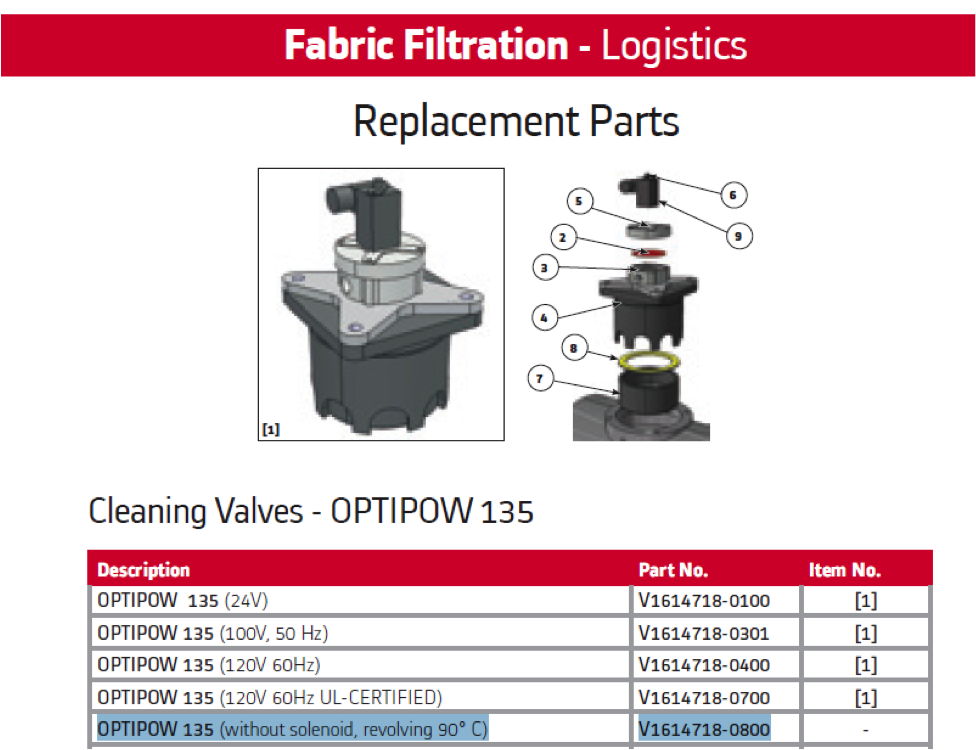
The valve consists of several key components:
1. Valve Body
The valve body contains the internal air passages and connects to the compressed air manifold.
2. Diaphragm Assembly
The diaphragm acts as the main sealing element and controls the opening and closing of the valve.
3. Solenoid Pilot Valve
The pilot valve receives an electrical signal from the dust collector controller and initiates the pulse cleaning cycle.
4. Pilot Chamber
This chamber maintains pressure above the diaphragm and helps keep the valve closed during normal operation.
5. Outlet Port
The outlet directs the compressed air pulse into the blow tube and filter bags.
6. Plunger
The plunger is the valve heart and it close and open the valve air turnel
Working Principle of the Optipow 135 Valve
Step 1: Valve in Closed Position
Under normal operating conditions, compressed air is present in both the main air chamber and the pilot chamber. Because the pressure above the diaphragm is slightly greater than the pressure below it, the diaphragm remains tightly sealed against the valve seat.
As a result, no air flows through the valve.
Step 2: Controller Sends an Electrical Signal
When the dust collector controller initiates a cleaning cycle, it sends an electrical pulse to the solenoid pilot valve.
The pilot valve opens momentarily, allowing air in the pilot chamber to vent to the atmosphere.
Step 3: Pressure Differential Opens the Diaphragm
As pressure above the diaphragm rapidly decreases, the higher pressure beneath the diaphragm forces it upward.
The valve opens almost instantly, creating a large opening for compressed air to flow through.
Step 4: High-Energy Air Pulse Is Released
Compressed air rushes through the valve outlet and into the blow tube.
The pulse enters the filter bags through venturis, creating a shock wave that expands the bags and dislodges dust particles from the filter media.
The removed dust falls into the hopper below for collection and disposal.
Step 5: Valve Closes Automatically
After the electrical pulse ends, the pilot valve closes.
Pressure in the pilot chamber quickly rebuilds through a small bleed orifice.
Once the pressure above the diaphragm becomes sufficient, the diaphragm returns to its seat and seals the valve.
The system is then ready for the next cleaning cycle.
Advantages of the Optipow 135 Valve
Fast Response Time
The valve opens and closes within milliseconds, producing an efficient cleaning pulse.
High Airflow Capacity
Its large diaphragm design allows a significant volume of compressed air to be discharged rapidly.
Reduced Compressed Air Consumption
Efficient pulse generation minimizes energy usage while maintaining cleaning effectiveness.
Long Service Life
The robust diaphragm and durable construction provide reliable operation under continuous industrial use.
Low Maintenance Requirements
Simple internal components make inspection and replacement procedures straightforward.
Common Applications
The Optipow 135 valve is commonly used in:
- Pulse jet baghouse dust collectors
- Silo venting systems
- Pneumatic conveying dust collectors
- Industrial filtration systems
- Power plant dust control equipment
Maintenance Tips
To ensure optimal performance of an Optipow 135 valve:
- Inspect diaphragms regularly for wear or cracking.
- Maintain clean, dry compressed air.
- Check pilot valves for contamination.
- Verify controller pulse settings.
- Inspect air manifolds for pressure leaks.
- Replace damaged seals promptly.
Regular preventive maintenance can significantly extend valve life and improve dust collector efficiency.
Conclusion
The Alstom Optipow 135 valve operates by using a diaphragm and pilot-controlled pressure differential to release a powerful burst of compressed air into a dust collection system. This rapid pulse effectively cleans filter bags, maintains airflow, and ensures efficient dust collection performance. Thanks to its high airflow capacity, fast response, and reliable construction, the Optipow 135 remains a trusted solution for industrial pulse jet cleaning applications worldwide.