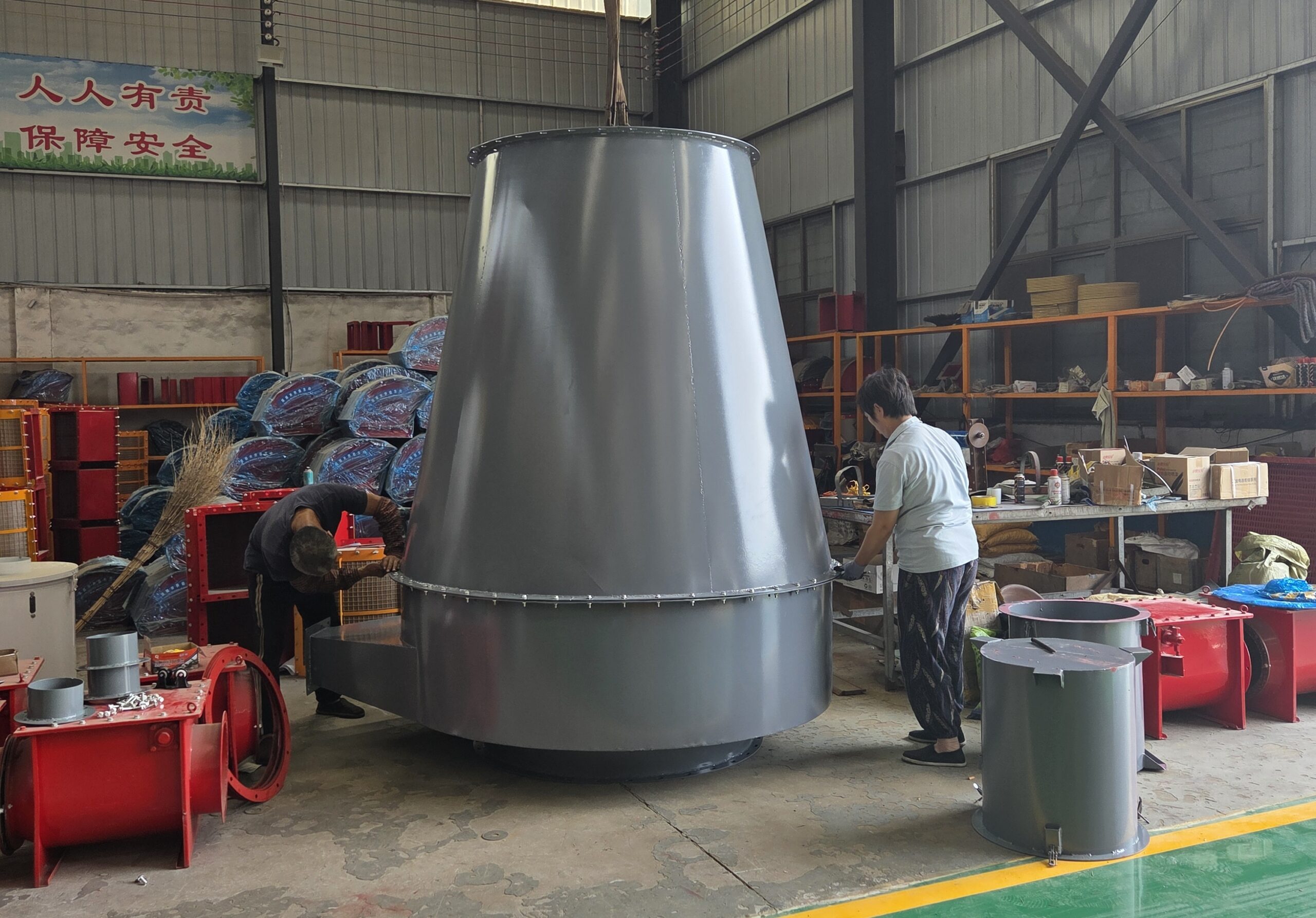

In many industrial environments, sparks and hot particles are unavoidable byproducts of manufacturing processes. Operations such as welding, cutting, grinding, metal processing, woodworking, and material handling can generate glowing embers that may enter dust collection systems. If these sparks come into contact with combustible dust, they can create serious fire or explosion hazards. A spark arrestor is a safety device designed to reduce these risks by detecting, capturing, and extinguishing sparks before they reach sensitive equipment.
What Is a Spark Arrestor?
A spark arrestor is a protective device installed in an air handling or dust collection system to prevent sparks and burning particles from traveling through ductwork. It is commonly used in systems that handle combustible materials, including wood dust, metal dust, plastic particles, paper fibers, and other industrial dusts.
The primary purpose of a spark arrestor is to separate dangerous ignition sources from the dust collector, filter system, or other downstream equipment. By stopping sparks before they enter areas where combustible dust may accumulate, spark arrestors help prevent fires and explosions.
How Does a Spark Arrestor Work?
Spark arrestors use different mechanical designs depending on the application, but most operate based on one or more of the following principles:
1. Spark Separation
When air containing sparks enters the spark arrestor, the internal structure changes the airflow pattern. The heavier and hotter particles lose momentum and are separated from the main airflow.
Many spark arrestors use baffles, screens, or specially designed chambers to force sparks to slow down and fall into a collection area.
2. Spark Cooling and Extinguishing
A spark arrestor increases the distance and time that sparks travel inside the device. During this process, the sparks lose heat through contact with metal surfaces and surrounding air. Once the temperature drops below the ignition point, the spark becomes harmless.
Some advanced systems use water mist or automatic extinguishing technology to cool sparks more effectively.
3. Preventing Spark Propagation
A spark that enters a dust collector can ignite accumulated dust inside filters or hoppers. A spark arrestor acts as a barrier, preventing hot particles from reaching these high-risk areas and reducing the possibility of fire propagation.
Where Are Spark Arrestors Used?
Spark arrestors are widely used in industries where combustible dust and ignition sources exist. Common applications include:
- Woodworking industry: Preventing sparks from saws, sanders, and cutting equipment from entering dust collectors.
- Metal processing: Protecting dust collection systems from sparks generated during grinding, welding, and laser cutting.
- Recycling facilities: Reducing fire risks caused by metal fragments and friction-generated sparks.
- Food processing: Protecting systems handling combustible materials such as flour, sugar, and grain dust.
- Chemical and pharmaceutical industries: Helping control ignition risks in dust handling processes.
Benefits of Using a Spark Arrestor
Installing a spark arrestor provides several important advantages:
Improved Fire Protection
The biggest benefit is reducing the chance of fire caused by hot particles entering dust collection equipment. This helps protect workers, machinery, and production facilities.
Reduced Equipment Damage
Fires inside dust collectors can damage filters, fans, ductwork, and other components. A spark arrestor helps extend equipment life by preventing ignition events.
Increased Workplace Safety
By controlling ignition sources, spark arrestors contribute to a safer working environment and support compliance with industrial safety practices.
Lower Maintenance Costs
Preventing fires and filter damage reduces unexpected downtime, repair costs, and production interruptions.
Spark Arrestor vs. Spark Detection and Extinguishing Systems
Although they serve a similar safety purpose, spark arrestors and spark detection systems work differently.
A spark arrestor is a passive or mechanical device that physically blocks or removes sparks before they travel further into the system.
A spark detection and extinguishing system uses sensors to detect sparks in the ductwork and automatically releases water or another extinguishing agent to eliminate the ignition source.
In many high-risk applications, both technologies can be combined to provide multiple layers of protection.
Factors to Consider When Selecting a Spark Arrestor
Choosing the right spark arrestor depends on several factors:
- Type of dust or material being collected
- Airflow volume and duct size
- Spark generation source
- Operating temperature
- Dust explosibility characteristics
- Maintenance requirements
A properly selected spark arrestor should match the specific conditions of the dust collection system to provide effective protection.
Conclusion
A spark arrestor plays an essential role in industrial fire prevention by stopping sparks and hot particles before they reach dust collectors and other vulnerable equipment. By separating, cooling, and extinguishing ignition sources, spark arrestors help reduce fire hazards, protect equipment, and improve workplace safety.
For industries that generate combustible dust, installing a reliable spark arrestor is an important step toward creating a safer and more efficient production environment. Combined with proper dust collection design, regular maintenance, and other safety systems, spark arrestors provide an effective solution for controlling spark-related risks.