

Introduction
In industrial dust collection systems, pulse cleaning valves play a critical role in maintaining filter performance and ensuring continuous operation. The Alstom Optipow 105 and Optipow 135 pulse valves are widely used in Optipulse fabric filter systems because of their fast response, high cleaning efficiency, and robust design. However, after long-term operation, valve components may wear out due to continuous pulsing, compressed air impurities, and harsh industrial environments. Replacing aging valves with high-quality replacement units is essential to restore dust collector performance.
This article explains the features of Optipow 105 and Optipow 135 valve replacement, including replacement benefits, installation considerations, and how to select the right replacement valve for your dust collection system.
What Are Alstom Optipow 105 and Optipow 135 Valves?
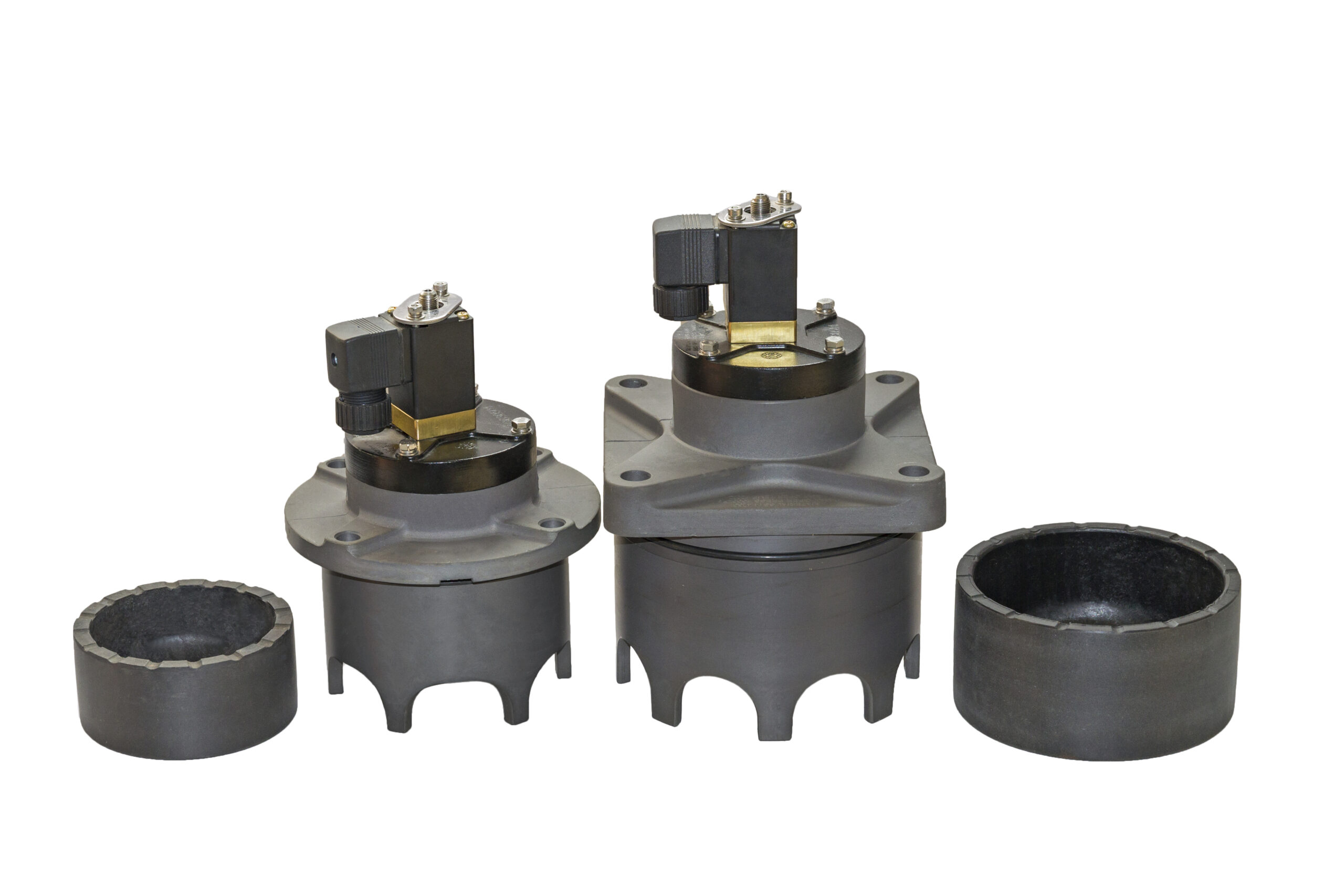
The Optipow 105 and Optipow 135 are compact pulse jet cleaning valves designed for fabric filter dust collectors. They use a plunger-type structure combined with a pilot diaphragm system to deliver powerful compressed air pulses for cleaning filter bags.
The number in the model name refers to the plunger diameter:
- Optipow 105: Designed with a smaller plunger size and commonly used for 3-inch pulse cleaning applications.
- Optipow 135: A larger version providing higher airflow capacity for applications requiring stronger cleaning performance.
These valves are mainly installed on industrial dust collectors used in industries such as:
- Cement production
- Steel manufacturing
- Power generation
- Glass production
- Mining and mineral processing
The valves are designed for rapid opening and closing, allowing a short but powerful compressed air pulse to remove dust accumulated on filter bags.
Why Replace Alstom Optipow 105 and Optipow 135 Valves?
Although Optipow valves are designed for reliable operation, continuous working conditions can eventually affect valve performance.
Common replacement reasons include:
1. Air Leakage Problems
A damaged diaphragm, worn plunger sealing surface, or aging O-rings may cause compressed air leakage. This reduces cleaning efficiency and increases compressed air consumption.
2. Reduced Cleaning Performance
When the valve cannot open completely or the pulse duration becomes unstable, filter bags may not receive enough cleaning energy. This can lead to:
- Increased differential pressure
- Reduced airflow capacity
- Higher fan energy consumption
3. Aging Components
After millions of operating cycles, internal parts such as:
- Diaphragm
- Plunger
- O-rings
- Solenoid pilot valve
may require replacement to maintain stable performance.
Advantages of High-Quality Optipow Valve Replacement
Choosing a reliable replacement valve can provide several benefits:
1. Direct Compatibility
A properly designed replacement valve can directly replace Alstom Optipow 105 and Optipow 135 models without modifying the dust collector system.
Compatible replacement valves are available for models such as:
- Optipow 105
- Optipow 135
- Related Alstom valve part numbers including V1617803 and V1614718 series.
2. Improved Dust Cleaning Efficiency
A new pulse valve provides:
- Faster response time
- Stronger air pulse
- More stable operation
This helps maintain clean filter bags and improves the overall efficiency of the dust collector.
3. Reduced Maintenance Costs
Replacing complete valves instead of frequently repairing old units can reduce:
- Downtime
- Labor costs
- Unexpected failures
4. Extended Service Life
High-quality replacement valves use durable materials and precision-machined components to withstand repeated pulse cycles and industrial environments.
Installation Guide for Optipow 105 and Optipow 135 Replacement Valves
Proper installation is important to ensure reliable valve operation.
Step 1: Shut Down the Compressed Air Supply
Before replacing the valve:
- Turn off compressed air
- Release pressure from the air tank
- Disconnect electrical power
Safety procedures should always be followed during maintenance.
Step 2: Remove the Old Valve
Carefully remove the existing valve and inspect:
- Pulse pipe condition
- Valve mounting surface
- Sealing O-rings
The pipe surface should be clean and free from sharp edges or contamination to avoid damaging the new valve seal.
Step 3: Install the Replacement Valve
During installation:
- Position the valve correctly
- Ensure O-rings are properly installed
- Tighten bolts evenly
- Connect the solenoid wiring correctly
Step 4: Test Valve Operation
After installation:
- Restore compressed air supply
- Check for leakage
- Activate pulse cleaning
- Confirm stable valve operation
How to Choose the Right Optipow Replacement Valve?
Before purchasing a replacement valve, confirm the following specifications:
1. Valve Model
Verify whether the original valve is:
- Optipow 105
- Optipow 135
2. Voltage Specification
Check the solenoid voltage, such as:
- 24V DC
- 110V AC
- 120V AC
- 220V AC
3. Connection Size
Confirm the valve port size and installation dimensions.
4. Operating Conditions
Consider:
- Compressed air pressure
- Temperature
- Dust type
- Working environment
The Optipow series is typically designed for compressed air operation around 6 bar under normal conditions, with different versions available for various electrical requirements.
Conclusion
Replacing worn Alstom Optipow 105 and Optipow 135 pulse valves is an effective way to restore dust collector cleaning performance and improve system reliability. A high-quality replacement valve provides excellent compatibility, stable pulse performance, reduced air consumption, and longer service life.
For industrial plants operating dust collection systems, selecting a reliable Optipow valve replacement supplier can significantly reduce maintenance downtime and ensure continuous production.