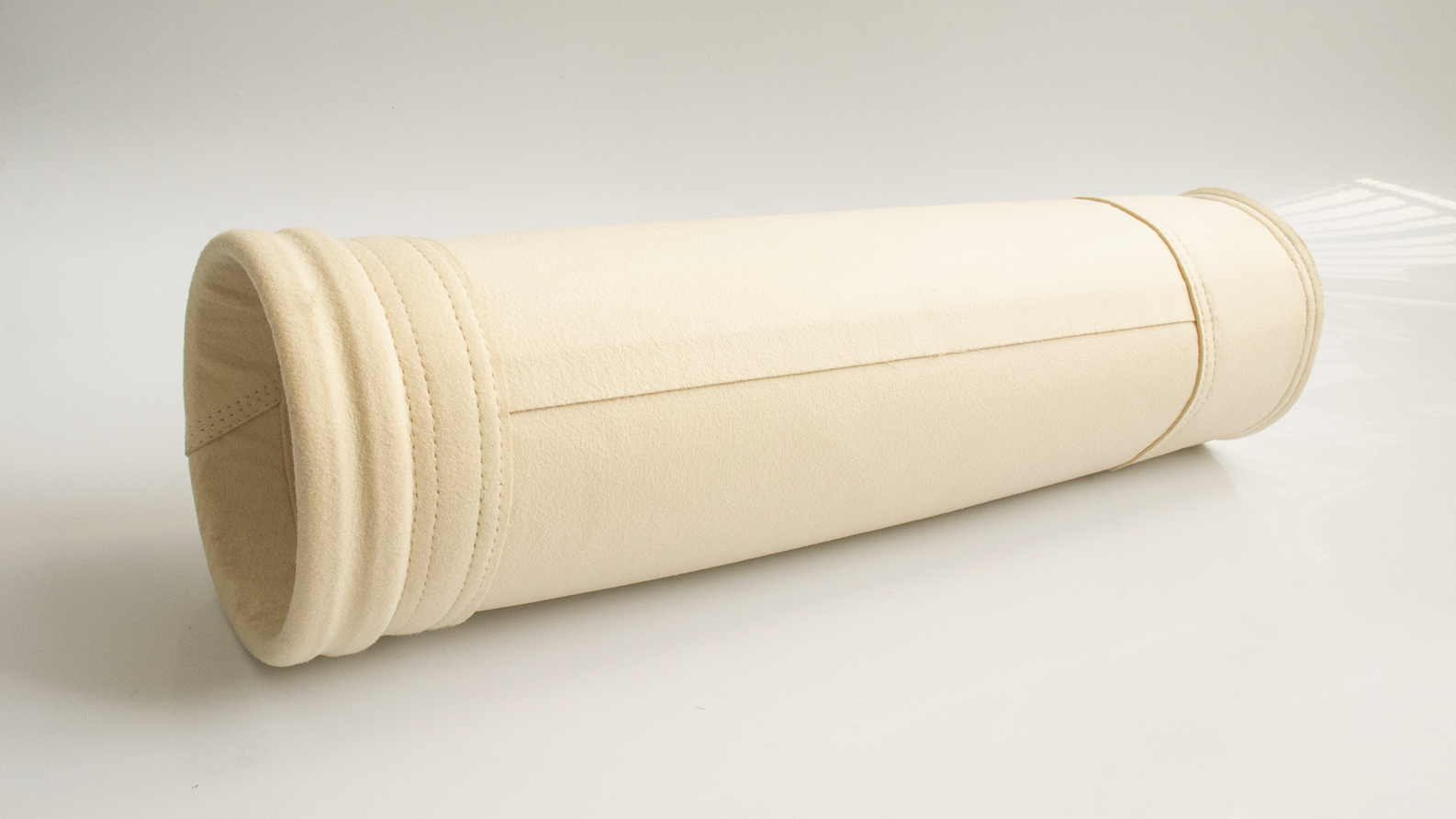
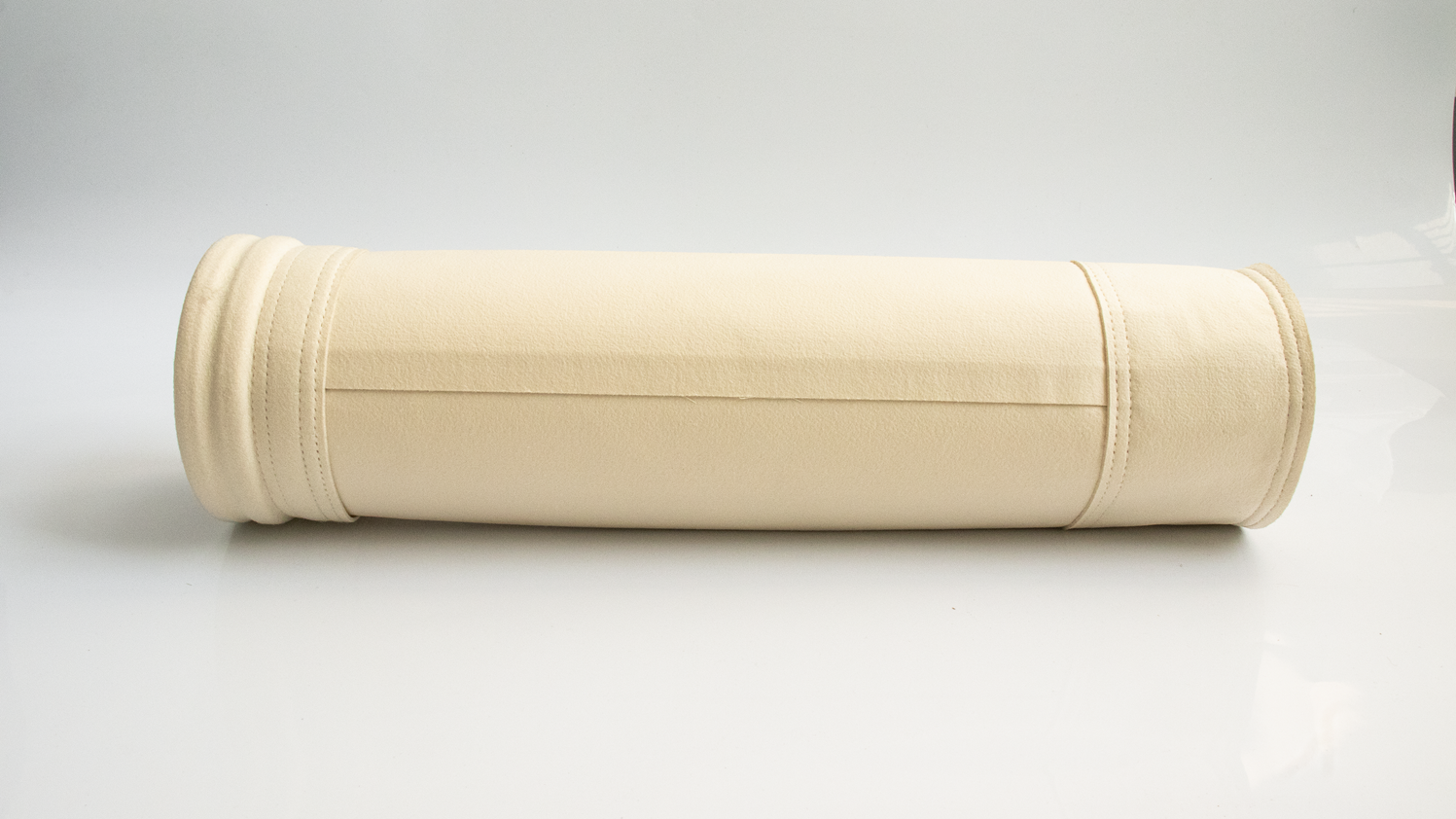
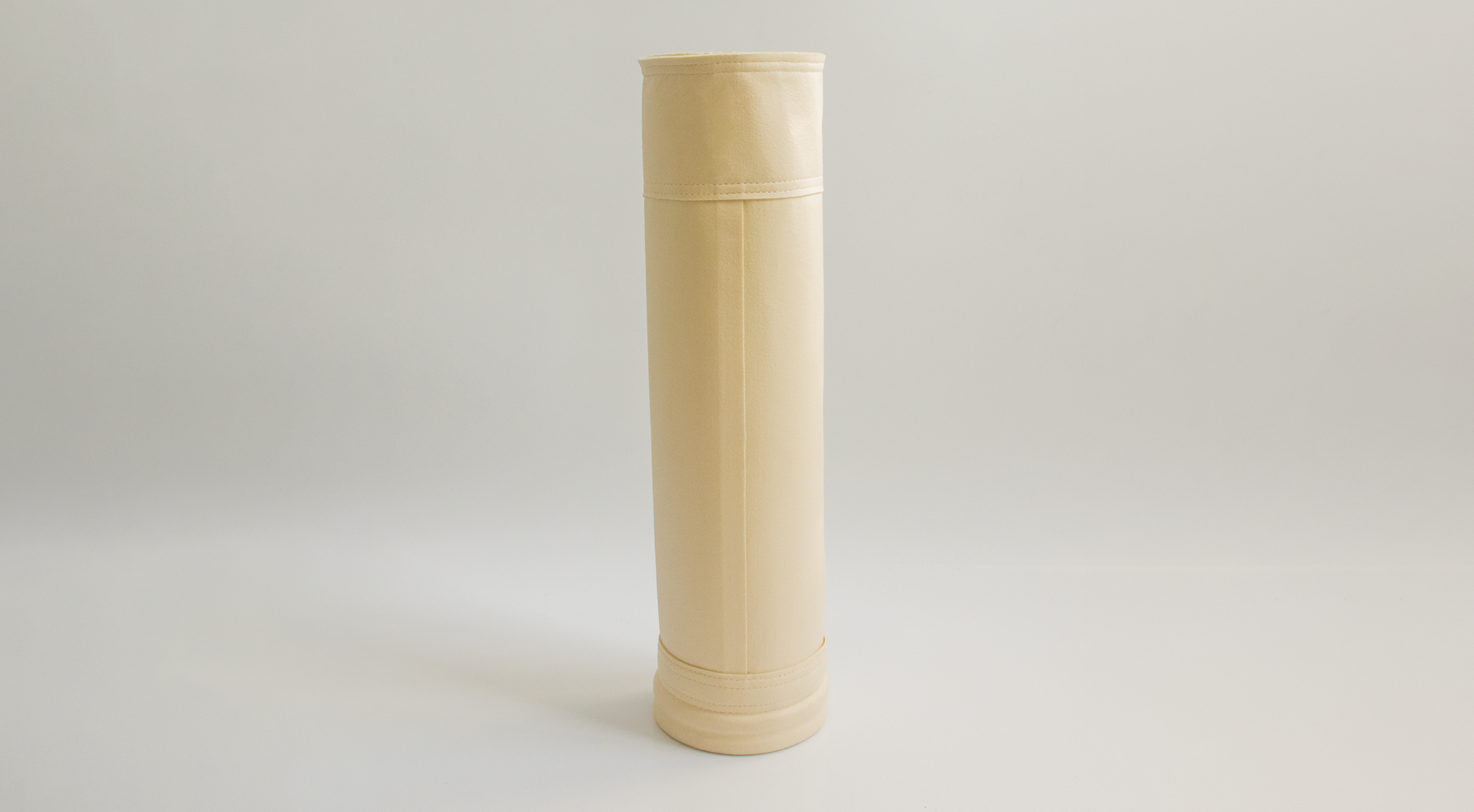
A PPS Filter Bag (Polyphenylene Sulfide Filter Bag), also known as a Ryton® PPS Filter Bag, is a high-temperature and chemically resistant filter bag designed for demanding industrial dust collector and baghouse filtration systems.
PPS filter bags are manufactured from 100% polyphenylene sulfide fiber using a needle-punching process to produce a strong felt filter media. They are widely used in industries where dust gases contain high temperatures, moisture, and corrosive components.
Compared with polyester and acrylic filter bags, PPS provides superior chemical resistance and hydrolysis resistance, making it one of the most reliable materials for harsh environments.
Main Features of PPS Filter Bags
1. Excellent Chemical Resistance
The most important advantage of PPS filter media is its outstanding resistance to chemical corrosion.
PPS performs well in environments containing:
- Sulfur dioxide (SO₂)
- Acid gases
- Alkali gases
- Industrial fumes
- Moist chemical dust
This makes PPS filter bags ideal for flue gas filtration applications.
2. High Temperature Resistance
PPS filter bags can operate continuously at relatively high temperatures.
Typical specifications:
| Parameter | Specification |
|---|---|
| Material | 100% PPS Fiber |
| Fiber Name | Polyphenylene Sulfide |
| Filter Type | Needle Felt |
| Continuous Working Temperature | 160–190°C |
| Short-Term Peak Temperature | Approx. 200°C |
| Weight | 450–600 g/m² |
| Cleaning Method | Pulse Jet Cleaning |
(Actual performance depends on oxygen concentration, moisture, and gas chemistry.)
3. Excellent Hydrolysis Resistance
Unlike polyester filter bags, PPS has excellent resistance to water and hydrolysis.
It is suitable for:
- Wet flue gas
- High humidity conditions
- Condensation-prone systems
- Desulfurization processes
This property gives PPS filter bags a much longer service life in humid industrial environments.
4. Good Oxidation Resistance Under Controlled Conditions
PPS fibers provide good durability in many industrial exhaust applications.
However, PPS performance can be affected by:
- High oxygen concentration
- Strong oxidizing chemicals
- Excessive temperature
Proper system design is important to maximize filter bag life.
5. Excellent Dust Release Performance
PPS needle felt has good surface characteristics, allowing dust to be removed efficiently during pulse cleaning.
Advantages:
- Lower pressure drop
- Stable airflow
- Reduced cleaning frequency
- Lower compressed air consumption
Applications of PPS Filter Bags
1. Coal-Fired Power Plants
PPS filter bags are widely used for:
- Boiler flue gas filtration
- Fly ash collection
- Desulfurization dust collectors
They are especially suitable for systems using low-temperature flue gas and high moisture conditions.
2. Waste Incineration Plants
Applications include:
- Waste incinerator exhaust filtration
- Acid gas removal systems
- Fly ash collection
PPS provides good resistance to corrosive gases generated during combustion.
3. Chemical Industry
Used for:
- Chemical powder collection
- Process gas filtration
- Corrosive dust removal
4. Steel and Metallurgical Industry
Used in:
- Furnace dust collectors
- Sintering plants
- High-temperature gas filtration
PPS Filter Bag vs Other Filter Materials
| Feature | PPS | Nomex (Aramid) | Acrylic | Polyester |
|---|---|---|---|---|
| Temperature Resistance | ★★★★ | ★★★★★ | ★★★ | ★★ |
| Hydrolysis Resistance | ★★★★★ | Good | ★★★★★ | Poor |
| Acid Resistance | ★★★★★ | Good | Good | Moderate |
| Alkali Resistance | ★★★★★ | Moderate | Good | Good |
| Moisture Resistance | Excellent | Good | Excellent | Poor |
| Cost | High | High | Medium | Low |
Common PPS Filter Bag Treatments
To improve performance, PPS filter bags can be processed with:
Singeing Treatment
Removes loose fibers and improves dust release.
Heat Setting
Improves dimensional stability at high temperatures.
Calendering
Creates a smoother surface and improves filtration efficiency.
PTFE Treatment / PTFE Membrane Lamination
Provides:
- Higher filtration efficiency
- Better fine dust capture
- Lower emissions
- Improved surface cleaning
PPS Filter Bag Selection Guide
Before selecting PPS filter bags, consider:
1. Operating Temperature
Confirm continuous and peak temperatures.
2. Gas Composition
Check:
- SO₂ concentration
- Oxygen level
- Moisture content
- Acid/alkali gases
3. Dust Characteristics
Evaluate:
- Particle size
- Dust abrasiveness
- Dust concentration
4. Cleaning System
Confirm:
- Pulse valve type
- Air pressure
- Cleaning frequency
Common pulse cleaning valves include:
- ASCO 353 Series pulse valves
- Alstom Optipow pulse cleaning valves
- Turbo pulse valves
Conclusion
PPS Filter Bags are one of the most reliable filter media choices for harsh industrial dust collection applications. With excellent chemical resistance, superior hydrolysis resistance, and high-temperature capability, PPS filter bags are widely used in power plants, waste incineration facilities, chemical plants, and other industries requiring long-lasting filtration performance.
For industrial baghouse systems exposed to moist, acidic, and corrosive gases, PPS filter bags provide an excellent balance of durability, filtration efficiency, and operational reliability.