
Introduction
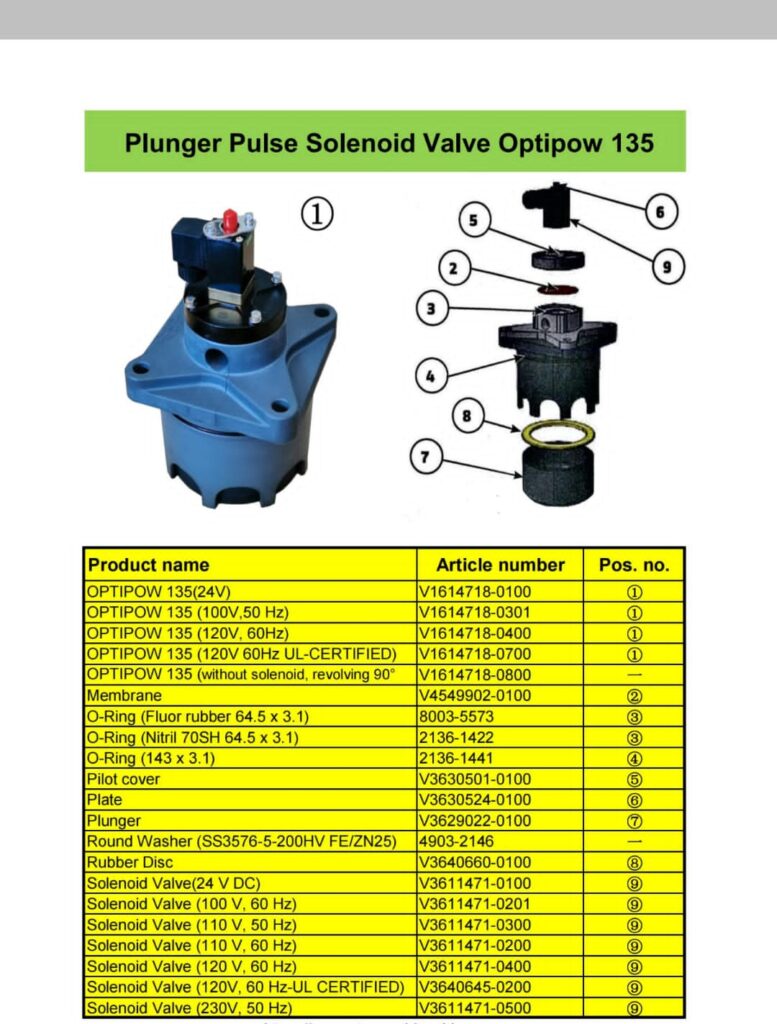
The Alstom Optipow 135 pulse valve is a high-performance cleaning valve widely used in industrial dust collection systems, especially in applications such as power plants, cement production, steel manufacturing, mining, and other heavy industries. It plays a critical role in maintaining the efficiency of bag filters by delivering powerful compressed air pulses to remove dust from filter bags.
Over time, continuous operation, harsh environments, and compressed air quality issues can cause pulse valves to wear out or fail. When this happens, replacing the Alstom Optipow 135 pulse valve becomes necessary to restore the dust collector’s cleaning performance and ensure reliable operation.
This article explains the reasons for replacement, common failure signs, replacement procedures, and important considerations when selecting a replacement valve.
1. What Is an Alstom Optipow 135 Pulse Valve?
The Alstom Optipow 135 is a diaphragm-type pulse jet valve designed for industrial dust collection systems. It uses compressed air to generate a high-speed air pulse that cleans filter elements inside a baghouse or cartridge dust collector.
During the cleaning cycle:
- The solenoid pilot valve receives an electrical signal from the dust collector controller.
- The pilot valve opens and releases pressure from the upper chamber of the diaphragm.
- The diaphragm rapidly opens due to the pressure difference.
- A strong compressed air pulse is released through the valve outlet.
- The pulse air flow removes accumulated dust from the filter bags.
The fast response and high air flow capacity of the Optipow 135 valve make it suitable for demanding dust filtration applications.
2. Why Replace an Alstom Optipow 135 Pulse Valve?
A pulse valve operates thousands or even millions of times during its service life. Eventually, internal components may degrade, affecting cleaning performance.
Common reasons for replacement include:
2.1 Diaphragm Wear or Damage
The diaphragm is the most critical moving component inside the valve. Continuous pressure changes can cause:
- Cracks
- Deformation
- Loss of elasticity
- Air leakage
A damaged diaphragm can prevent the valve from producing an effective cleaning pulse.
2.2 Air Leakage
A worn pulse valve may allow compressed air to leak continuously, causing:
- Increased compressed air consumption
- Higher operating costs
- Reduced cleaning efficiency
- Pressure loss in the air header
Replacing the valve can significantly reduce unnecessary air consumption.
2.3 Poor Dust Cleaning Performance
When a pulse valve fails to open fully, the cleaning pulse becomes weak. This can result in:
- Higher differential pressure across filters
- Reduced airflow capacity
- Increased fan energy consumption
- Shorter filter bag life
A new Optipow 135 replacement valve restores proper pulse strength.
2.4 Solenoid or Pilot Valve Failure
The electrical control section of the valve may fail due to:
- Coil burnout
- Moisture damage
- Electrical faults
- Aging components
In some cases, replacing the complete pulse valve assembly is more efficient than repairing individual parts.
3. Signs That an Optipow 135 Pulse Valve Needs Replacement
Operators should consider replacement when they observe:
- Continuous air leakage from the valve
- Abnormal air consumption
- Weak or missing cleaning pulses
- Increased dust collector differential pressure
- Excessive dust emissions
- Frequent filter bag clogging
- Valve noise or irregular operation
Regular inspection helps identify problems before they affect the entire dust collection system.
4. Steps for Replacing an Alstom Optipow 135 Pulse Valve
Step 1: Shut Down the System
Before replacement:
- Stop the pulse cleaning system.
- Isolate compressed air supply.
- Release pressure from the air manifold.
- Disconnect electrical power.
Safety procedures must always be followed before working on pressurized equipment.
Step 2: Remove the Existing Valve
Typical removal steps include:
- Disconnect the electrical connection from the solenoid coil.
- Remove the valve mounting hardware.
- Disconnect the valve from the compressed air header.
- Carefully remove the old pulse valve.
Inspect the mounting area for corrosion, dirt, or damaged fittings.
Step 3: Install the New Replacement Valve
When installing a new Optipow 135 replacement valve:
- Verify the valve size and connection type.
- Check the airflow direction.
- Use proper sealing materials on threaded connections.
- Tighten fittings according to recommended torque values.
- Ensure the solenoid wiring is correctly connected.
Incorrect installation may cause leakage or poor cleaning performance.
Step 4: Test the New Valve
After installation:
- Restore compressed air supply.
- Check for air leaks.
- Activate manual pulse testing.
- Confirm strong and consistent air discharge.
- Monitor dust collector differential pressure.
A properly installed replacement valve should provide stable cleaning performance.
5. Selecting a Suitable Replacement for Alstom Optipow 135
When choosing a replacement pulse valve, consider the following factors:
Valve Compatibility
The replacement valve should match:
- Port size
- Connection type
- Pressure range
- Pulse volume
- Electrical voltage requirements
A compatible valve ensures easy installation and reliable operation.
Material Quality
Industrial dust collectors often operate in harsh conditions. A good replacement valve should have:
- High-quality diaphragm materials
- Corrosion-resistant body construction
- Reliable solenoid components
- Long operating life
Operating Environment
Consider application conditions such as:
- Ambient temperature
- Dust type
- Moisture level
- Compressed air quality
- Operating frequency
Different environments may require different valve materials and configurations.
6. Benefits of Replacing a Worn Pulse Valve
Installing a new Alstom Optipow 135 replacement valve can provide:
Improved Dust Collector Efficiency
A strong cleaning pulse keeps filter bags cleaner and maintains airflow performance.
Reduced Compressed Air Consumption
A properly functioning valve eliminates unnecessary leakage and lowers energy costs.
Longer Filter Life
Effective cleaning reduces excessive dust buildup and mechanical stress on filter bags.
Reduced Maintenance Downtime
Reliable pulse valves help prevent unexpected dust collector shutdowns.
7. Preventive Maintenance Tips
To extend pulse valve service life:
- Maintain clean and dry compressed air.
- Check air pressure regularly.
- Inspect valves during routine shutdowns.
- Replace damaged diaphragms promptly.
- Monitor dust collector differential pressure.
- Keep solenoid components protected from moisture.
Preventive maintenance is usually more cost-effective than emergency repairs.
Conclusion
The Alstom Optipow 135 pulse valve is an essential component for efficient dust collector operation. When the valve becomes damaged or ineffective, timely replacement is necessary to maintain cleaning performance, reduce compressed air waste, and protect filter equipment.
Choosing a high-quality replacement valve, following correct installation procedures, and performing regular maintenance will help ensure reliable dust collection system operation and extend the service life of filtration equipment.
For industrial facilities using Alstom Optipow 135 valves, proper valve maintenance and replacement planning are key factors in achieving stable, efficient, and economical dust control.
Here the site page you can find the technical specification of Alstom Optipow 135 pulse valve replacement
https://dustvalve.com/product/alstom-optipow-135-valve