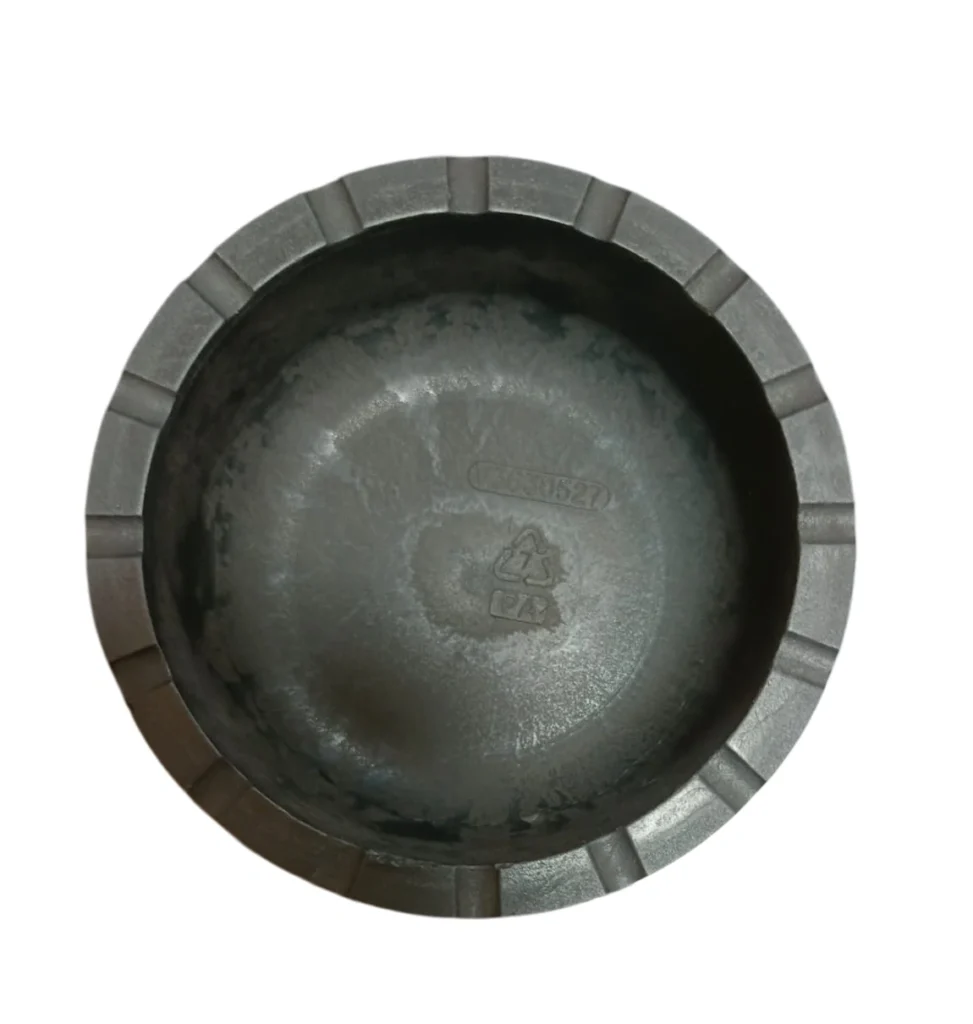

The OPTIPOW 105 valve plunger V3630527 is an important internal component used in an OPTIPOW 105 pulse valve for industrial dust collection and air cleaning systems. As part of the valve’s moving assembly, the plunger helps control the opening and closing of the pulse valve, allowing compressed air to be released efficiently for cleaning filter elements.
For dust collector operators, understanding the function of the V3630527 plunger can help with troubleshooting, preventive maintenance, and pulse valve repair.
What Is the OPTIPOW 105 Valve?
The OPTIPOW 105 is a high-performance pulse valve designed for air cleaning applications in industrial dust collection systems. It is commonly associated with filter systems that require short, powerful pulses of compressed air to remove accumulated dust from filter bags, cartridges, or other filter elements.
During normal operation, the pulse valve remains closed and isolates the compressed-air supply. When the cleaning signal is activated, the valve opens rapidly and releases a short burst of compressed air into the cleaning system.
The performance of the valve depends on several internal components, including the plunger, diaphragm or membrane, seals, springs, and other moving parts.
What Is the V3630527 Plunger?
The V3630527 is an OPTIPOW 105 valve plunger. It is a precision internal component designed to move within the valve assembly and participate in the valve’s actuation process.
The plunger works together with the valve’s internal sealing and control components. When the valve receives a cleaning command, pressure conditions inside the valve change, causing the internal mechanism to move. The plunger helps control this movement so that the main valve can open and close correctly.
Although the plunger is a relatively small component, its condition can have a direct effect on the overall performance of the pulse valve.
How Does an OPTIPOW 105 Plunger Work?
The basic operating sequence can be described as follows:
1. Valve in the Closed Position
When the pulse valve is not activated, the internal components remain in their normal position. The valve prevents compressed air from flowing through the outlet.
2. Cleaning Signal Is Activated
When the dust collector control system sends a cleaning signal, the pilot/control mechanism changes the pressure balance inside the valve.
3. Plunger Movement
The pressure change causes the internal plunger assembly to move. This movement contributes to releasing the main valve mechanism.
4. Compressed-Air Pulse
The main valve opens rapidly, allowing a high-volume pulse of compressed air to enter the filter cleaning system.
5. Valve Closes
After the pulse is completed, the internal pressure is restored and the plunger returns to its normal position. The valve closes and prepares for the next cleaning cycle.
This rapid opening and closing action is essential for effective filter cleaning.
Why Is the V3630527 Plunger Important?
The plunger plays an important role in maintaining reliable pulse valve operation. A properly functioning plunger helps the valve achieve consistent movement and repeatable cleaning pulses.
A damaged, worn, contaminated, or improperly installed plunger may contribute to problems such as:
- Pulse valve failing to open
- Valve failing to close completely
- Reduced cleaning performance
- Continuous air leakage
- Slow or irregular valve operation
- Increased compressed-air consumption
- Inconsistent filter cleaning
Because dust collector pulse valves may operate thousands of cycles over their service life, internal moving components can eventually require inspection or replacement.
Common Causes of Plunger Problems
Several operating conditions can affect the service life of an OPTIPOW 105 plunger.
Contaminated Compressed Air
Moisture, oil, rust, or solid particles in the compressed-air supply can enter the valve and interfere with the movement of internal components.
Mechanical Wear
Repeated opening and closing cycles can gradually wear moving and sealing surfaces.
Improper Installation
Incorrect assembly, damaged seals, or incorrect positioning of internal components may prevent the plunger from moving correctly.
Harsh Operating Conditions
High operating temperatures, aggressive dust environments, and unsuitable compressed-air conditions can accelerate component degradation.
Regular inspection and proper maintenance can help reduce these problems.
When Should an OPTIPOW 105 Plunger Be Replaced?
The plunger should be inspected when an OPTIPOW 105 pulse valve begins showing abnormal operating behavior.
Replacement may be considered when the plunger shows:
- Visible wear or surface damage
- Corrosion
- Deformation
- Excessive contamination
- Abnormal movement
- Damage to associated sealing surfaces
It is also important to inspect related components at the same time. Replacing only one component may not solve the problem if the diaphragm, seals, spring, pilot components, or other internal parts are also worn.
OPTIPOW 105 Plunger Replacement
Before replacing an OPTIPOW 105 V3630527 plunger, the pulse valve should be isolated from the compressed-air supply and safely depressurized.
A typical maintenance procedure includes:
- Shut down and isolate the compressed-air supply.
- Release all residual pressure from the valve and connected piping.
- Remove the valve or access the internal assembly according to the manufacturer’s maintenance procedure.
- Inspect the plunger and surrounding components.
- Remove the worn or damaged plunger.
- Clean the internal valve components.
- Install the replacement V3630527 plunger correctly.
- Check the seals and other wear components.
- Reassemble the valve.
- Perform an operational and leakage test before returning the system to service.
Always verify the exact valve model, part number, dimensions, and compatibility before installing a replacement component.
Applications of the OPTIPOW 105 Valve
OPTIPOW pulse valves are used in industrial air-cleaning and dust collection applications where reliable compressed-air cleaning is required.
Typical applications may include:
- Cement plants
- Power generation facilities
- Steel and metal processing
- Mining operations
- Chemical processing
- Industrial manufacturing
- Bulk material handling
- Baghouse dust collectors
- Cartridge filter systems
In these applications, reliable pulse valve operation is important because ineffective filter cleaning can increase differential pressure and reduce dust collector performance.
V3630527 Plunger: Maintenance Tips
To maximize the service life of an OPTIPOW 105 plunger, several maintenance practices are recommended:
Use clean compressed air.
Proper air filtration and moisture control can reduce contamination inside the valve.
Inspect valves regularly.
Regular inspection can identify wear before it causes significant system downtime.
Check for air leakage.
Continuous leakage may indicate problems with the plunger, diaphragm, seals, or other valve components.
Use compatible replacement parts.
Always confirm the part number and valve model before ordering a replacement plunger.
Inspect related components.
When replacing a plunger, check the condition of the diaphragm, seals, springs, and other internal parts.
Conclusion
The OPTIPOW 105 valve plunger V3630527 is a critical internal component of the OPTIPOW 105 pulse valve. By contributing to the valve’s opening and closing mechanism, the plunger helps deliver reliable compressed-air pulses for filter cleaning.
When an OPTIPOW 105 valve develops operating problems, inspecting the V3630527 plunger and other internal components can be an important part of the troubleshooting process. Timely replacement of worn components can help restore reliable valve operation, improve dust collector cleaning performance, and reduce unexpected maintenance downtime.
If you are sourcing an OPTIPOW 105 V3630527 plunger, always confirm the valve model and part number before installation to ensure proper compatibility.